

Benefits of Saltwater Pools
Thailand has a relatively hot climate, prompting many people to look for homes with swimming pools, so they can cool off in the water and enjoy fun activities with the family. Before buying a house with a pool or building one, it’s helpful to know that there are two common types of residential pools: chlorine pools and saltwater pools.

Although chlorine has disinfectant properties that eliminate germs and microbes, human skin is made of cells that can become irritated if exposed to high concentrations of chlorine. That’s why we opt for saltwater pool systems, which make chlorine from salt little by little, instead of adding strong chlorine by hand.
Every 999 pool villa has its own private pool, from 4 × 7 m up to 6 × 15 m. See the villas for sale ›
How Saltwater Pool Systems Work

Salt disinfection involves generating chlorine from salt through a process called electrolysis, where an electric current passes through a salt solution to break the salt’s chemical bonds and produce sodium hypochlorite (NaOCl) to sanitize the water. Once the chlorine (sodium hypochlorite) has completed disinfection, it eventually reverts back into salt (NaCl). As long as the concentration is properly maintained (usually about 3,000 to 6,000 ppm, depending on the system), it poses no harm to users.
In short,
saltwater pools still contain chlorine, but the system makes it from the salt in the water through electrolysis.

What Type of Salt Is Used in Saltwater Pools?
Use pure salt made for pools: at least 99% sodium chloride, with no iodine and no anti-caking agents. Add it until the water reaches the level given by the maker of the system. Salt chlorine generators often come with salinity testing kits, or you can purchase one from your local home improvement store.

Benefits of Using a Saltwater Pool
Gentle on the Eyes

Many swimmers experience itchy eyes, stinging, or redness from chlorine pools or salty seawater. This often raises the question, can saltwater pools cause eye irritation? The salt level in these pools is lower than in your own tears. Here’s a comparison:
It’s clear that saltwater pools have a lower salinity level than natural tears.
Water Cleanliness

When natural salt is added to the pool, the saltwater treatment system works to break the salt bonds and generate sodium hypochlorite chlorine for disinfection. It can eliminate germs and microorganisms just like chlorine pools, while keeping the water clean with less of the strong chlorine smell.
Looking for a new home in Chiang Mai? See the pool villas 999 has for sale now. See the villas for sale ›
Easier to Store Than Chlorine

Salt is easier to store than chlorine. Improper storage of chlorine can lead to corrosion, toxicity, or even fire hazards.
Relaxation Benefits

Swimming is a great way to relax, and many people find that the water in a saltwater pool feels softer.
To give you a clearer picture, here’s a summary of the pros and cons of using a saltwater pool:


Additional key advantages include:
Disadvantages
Maintenance

The key variables for water balance (chlorine, pH level, and alkalinity) remain essential and must be regularly monitored and adjusted. It is also important to understand that the chlorine generated by a salt chlorine generator is unstable. Therefore, it is crucial to maintain an appropriate level of cyanuric acid (commonly known as stabilizer or conditioner when constructing a pool). Without it, sunlight will rapidly break down the chlorine in the pool.

Although the initial cost of installing a saltwater pool is relatively high, it can be a worthwhile long-term investment. Today, many condos and houses are switching to saltwater systems. At 999 Developments, all our pool villas have saltwater pools. When you purchase a home with us, you’ll receive a high-quality pool. If you're interested, you're welcome to visit our current projects at 999developments
Pool villas with a private pool

999@World Club Land
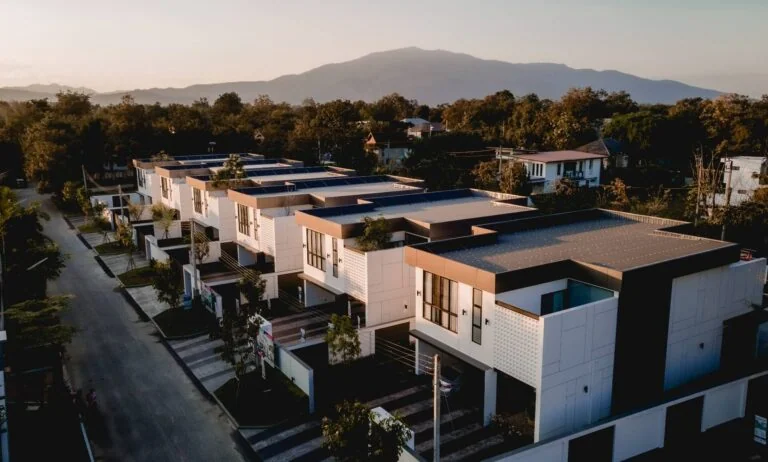
999@Ban Waen
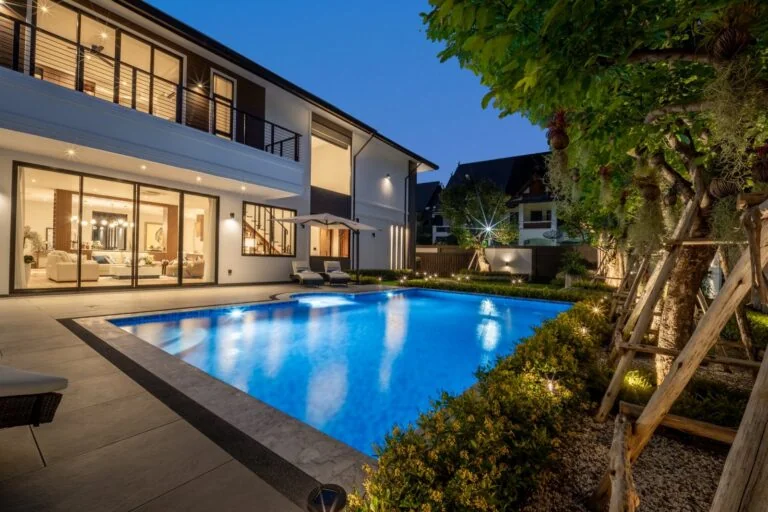
999@Kad Farang

999@Pa Daet